

Blog > Real Estate Investment Strategies Around The Mill at Vicksburg
Why Investors Are Watching Vicksburg
Major redevelopment projects can change how people experience a community. They may attract visitors, support local businesses, create employment, improve surrounding properties, and increase interest in nearby housing.
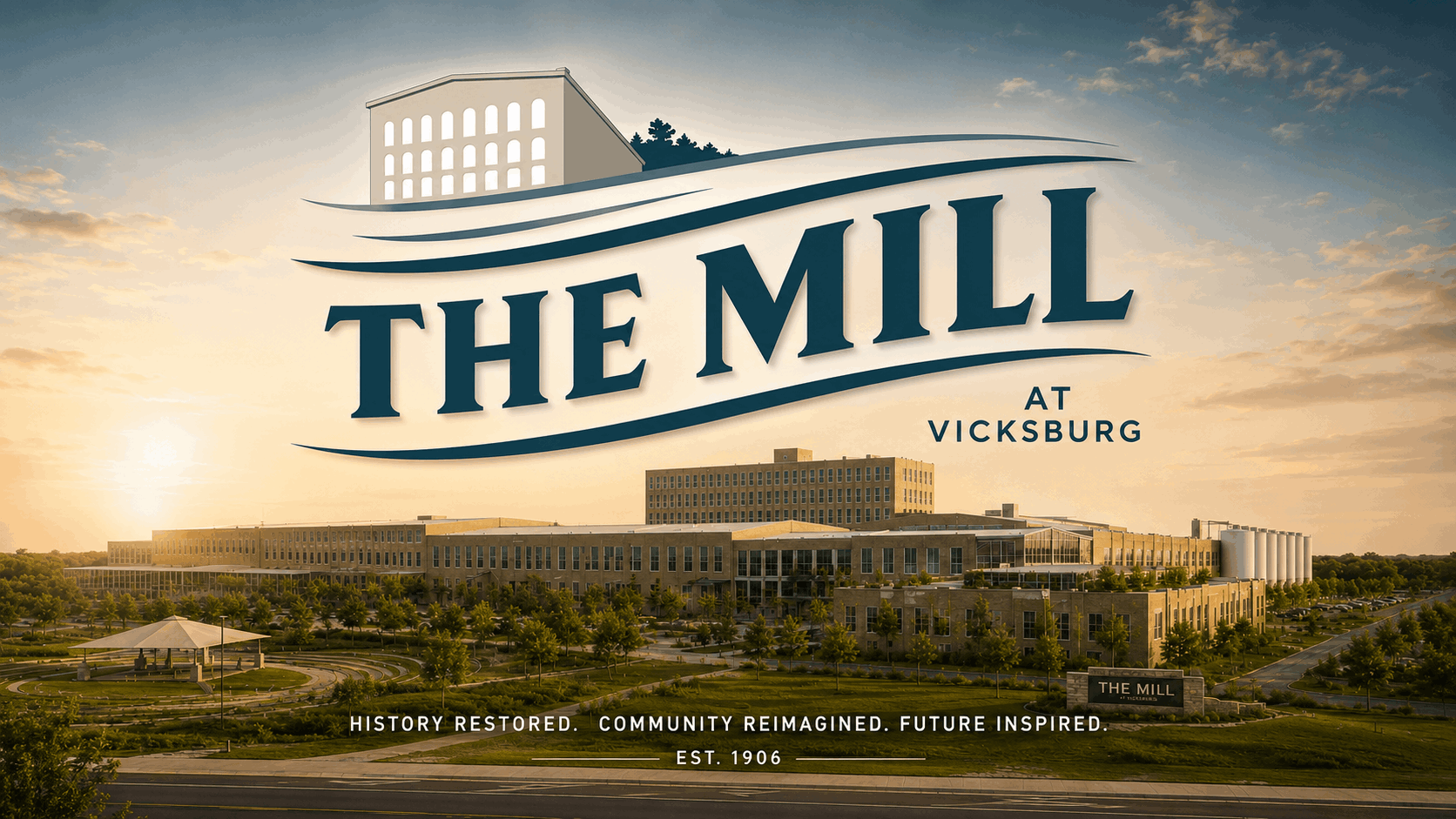
The Mill at Vicksburg is one of the most closely watched redevelopment projects in Southwest Michigan. The former Lee Paper Mill is being transformed into a mixed-use campus while preserving the historic character of the property.
Plans have included indoor and outdoor event spaces, music venues, craft beverage production, a tasting room, beer gardens, a brewery museum, a boutique hotel, walking trails, recreation, commercial space, offices, retail and other uses. The complete project will take place in phases, and proposed components or timelines can change. te investors, the important question is not whether a redevelopment project automatically guarantees appreciation. It does not. The better question is how continued investment in the community could influence housing demand, rental demand, business activity and buyer interest over time.
Strategy 1: Purchase and Hold a Well-Located Home
A traditional buy-and-hold strategy involves purchasing a property that can produce rental income while the owner retains it for potential long-term appreciation.
Homes located near downtown may appeal to renters who value access to restaurants, events, parks, businesses and community activities. However, investors must analyze the property based on its current numbers—not only on what may happen around The Mill in the future.
Before purchasing, calculate:
- Expected monthly rent
- Mortgage principal and interest
- Property taxes
- Insurance
- Maintenance and repairs
- Vacancy allowance
- Property management
- Utilities paid by the owner
- Capital improvements
- Licensing or inspection expenses
A property should not depend entirely on future appreciation to make financial sense.
Strategy 2: Buy an Owner-Occupied Property
An owner-occupied strategy may be more approachable for buyers who want to invest gradually. A buyer could purchase a home, live in it, improve it over time and potentially convert it into a rental later.
Certain financing programs may offer lower down-payment requirements for owner-occupants than for traditional investment properties. Loan requirements vary, and buyers should speak with a qualified lender before making plans.
This approach may be especially useful for a buyer who wants to become part of the Vicksburg community while building equity through ownership and carefully selected improvements.
Strategy 3: Look for Value-Add Opportunities
A value-add property is one where targeted improvements may increase its usability, rent potential or resale appeal. Examples could include:
- Updating kitchens and bathrooms
- Improving energy efficiency
- Correcting deferred maintenance
- Adding functional storage
- Improving exterior appearance
- Restoring historic details
- Creating better outdoor living space
- Improving parking where permitted
Improvements should fit the neighborhood and the expected resale or rental market. Over-improving a property can make it difficult to recover the full renovation cost.
Strategy 4: Consider Small Multifamily or Mixed-Use Opportunities
Small multifamily and mixed-use properties can provide more than one income stream, but they also require additional due diligence. Buyers should investigate zoning, leases, utility arrangements, fire-code compliance, parking, insurance, property management, renovation expenses, and local rental regulations.
Downtown revitalization may create opportunities, but each property must be evaluated individually. The presence of a major redevelopment nearby does not eliminate the risks associated with vacancies, construction costs, financing or economic changes.
Strategy 5: Purchase Before You Need Immediate Results
Community redevelopment often takes longer than expected. Investors should avoid purchasing a property solely because they believe a nearby project will be completed quickly.
A stronger strategy is to buy a property that works under today’s conditions and treat future community improvements as a possible additional benefit. Investors should maintain adequate reserves and use conservative projections.
Search for Vicksburg Investment Opportunities
Review current homes and properties for sale in Vicksburg, Michigan. Opportunities may include downtown homes, rural properties, fixer-uppers, vacant land and homes with potential long-term rental appeal.
Property owners considering selling can request an initial estimate through the home value website. A detailed investment-property analysis should also consider current rent, expenses, condition, zoning and potential return.
The Mill at Vicksburg may continue to increase regional awareness of the community, but successful investing still depends on buying carefully, understanding the numbers and preparing for both opportunities and risks.