

Blog > Michigan Homebuyers Are Getting Surprised by Property Tax Increases—Here’s How to Avoid It
Michigan Homebuyers Are Getting Surprised by Property Tax Increases—Here’s How to Avoid It
by
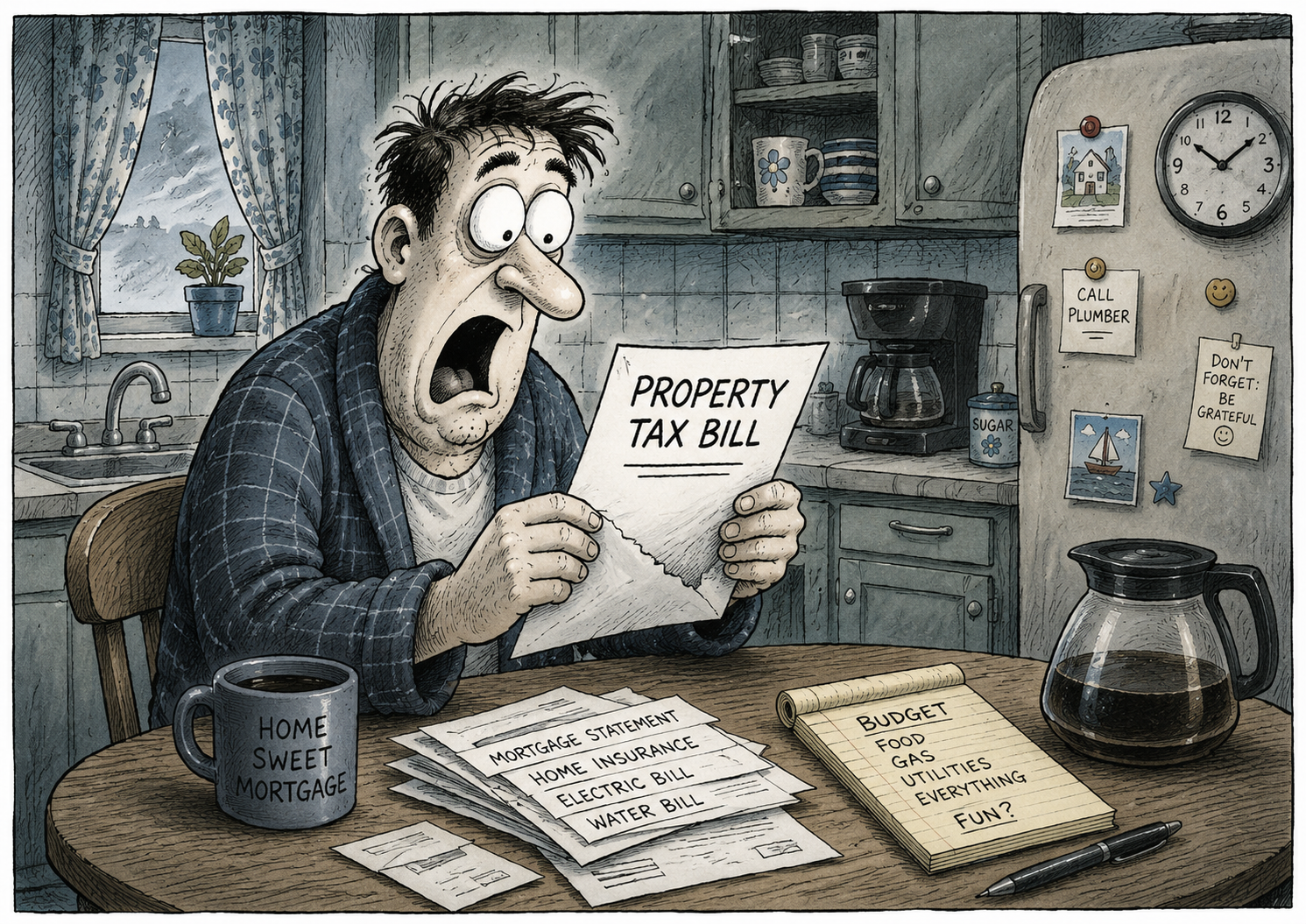
Buying a home is exciting, but an unexpected property tax increase can quickly create financial stress. Many Michigan buyers carefully calculate their mortgage principal, interest, homeowners insurance and estimated taxes, only to discover that their actual property tax bill is much higher after closing.
In some cases, the difference can cost the homeowner thousands of dollars every year.
The problem is that buyers often look at the seller’s current property tax bill and assume they will pay approximately the same amount. In Michigan, that can be a costly mistake.
Why the Seller’s Tax Bill May Not Be Your Tax Bill
Michigan property taxes are generally calculated using a property’s taxable value and the applicable local millage rates. However, a longtime homeowner’s taxable value may be substantially lower than the home’s current State Equalized Value, commonly called the SEV.
That is because Michigan limits how quickly taxable value can increase while the same person owns the property. If the home has appreciated significantly over several years, a gap can develop between its taxable value and SEV.
When a qualifying transfer of ownership takes place, the taxable value generally “uncaps” in the calendar year following the transfer. The new taxable value may then rise to the property’s SEV.
This means the property tax bill shown on a real estate listing may reflect the seller’s capped taxable value—not the amount the new buyer will eventually pay.
A Property Tax Increase Can Affect Your Entire Monthly Budget
Consider a simplified example.
A seller may currently have a taxable value of $100,000, while the property’s SEV is closer to $150,000. If the combined applicable tax rate were approximately 40 mills, the additional $50,000 in taxable value could represent roughly $2,000 more per year in property taxes.
That is approximately $167 more per month.
The exact amount depends on the property, municipality, school district, principal residence exemption status, millage rates and other factors. However, it shows why relying exclusively on the seller’s current bill can create a serious budgeting problem.
An increase of $150 to $300 per month could affect:
- Your mortgage escrow payment
- Your debt-to-income ratio
- The amount of money you have available for repairs
- Your ability to save for emergencies
- Whether the house remains affordable long-term
Your mortgage payment may also be adjusted after the lender completes an escrow analysis. That is often when homeowners first discover that the amount collected for taxes was insufficient.
Estimate the Future Tax Burden Before Making an Offer
Michigan buyers should investigate potential property taxes before deciding what they can comfortably afford.
You can use the Michigan Property Tax Estimator to estimate taxes based on the property’s location, school district, taxable value and principal residence status.
An estimator cannot guarantee an exact future bill, but it can provide a much more realistic starting point than simply copying the seller’s current taxes into your budget.
The State of Michigan also provides a property tax estimator and millage-rate database, which reinforces the importance of considering the applicable local millage rates when evaluating a property.
Questions Buyers Should Ask
Before making an offer on a Michigan home, ask:
- What are the current SEV and taxable value?
- How long has the seller owned the property?
- Is there a large difference between taxable value and SEV?
- Does the property currently have a principal residence exemption?
- What might the taxable value become after the transfer?
- Are there special assessments or additional charges?
- How would the estimated tax payment affect the monthly housing budget?
The assessor’s office can also explain how the property is currently assessed, although it generally cannot promise an exact future tax bill.
Do Not Let an Attractive Payment Mislead You
A home may appear affordable when the monthly payment is calculated using the previous owner’s taxes. After the taxable value uncaps, however, the payment may be considerably higher.
The best time to identify that difference is before making an offer—not after receiving an escrow shortage notice.
Use the Michigan Property Tax Estimator to create a more realistic estimate before purchasing a home. A few minutes of research could prevent an unpleasant surprise costing thousands of dollars.
Property tax estimates are for planning purposes only. Actual assessments, exemptions, millage rates, special assessments and tax bills are determined by the appropriate governmental authorities.